On January 17, 2026, Professor Guohao Fang’s research group published a research paper titled “Heat retention and micromechanical performance of thermoregulating compressed brick systems” in the journal Case Studies in Construction Materials. The study proposes a thermoregulating heat-storage compressed brick system with enhanced mechanical performance. Phase change materials (PCMs) are incorporated into the brick structure, and coconut fibers are used as reinforcement. These strategies synergistically improve the thermal energy storage capacity, mechanical performance, and sustainability of the material. Professor Guohao Fang and Associate Researcher Shumuye Eskinder Desta are the co-corresponding authors, and Shenzhen University is the first affiliation.
This study systematically investigated the construction and performance optimization of thermoregulating compressed brick systems, focusing on the effects of different types of phase change materials (PCMs), encapsulation methods, and spatial configurations on the thermal storage and heat transfer performance of the material. The role of coconut fiber reinforcement in improving the mechanical properties and interfacial behavior of the compressed bricks was also examined. The results show that microencapsulated PCMs exhibit superior thermal storage performance compared with graphite-based PCMs. A rational distribution of PCMs can enhance thermal insulation and reduce thermal resistance, improving the thermal response uniformity of the bricks under different environmental conditions. Meanwhile, the incorporation of coconut fibers significantly improves the compressive and flexural strength of the compressed bricks. Microscopic analysis further reveals that the fiber–matrix interfacial bonding plays a key role in enhancing the overall performance of the composite. In addition, the use of industrial solid waste such as lithium slag in the preparation of these compressed bricks helps reduce environmental burdens and enhances their sustainability. This study provides new insights for the design and development of thermoregulating heat-storage compressed brick composites.
This research was supported by the National Natural Science Foundation of China and Shenzhen Key Laboratory for Low-carbon Construction Material and Technology.
The original article can be found at:
https://doi.org/10.1016/j.cscm.2026.e05808
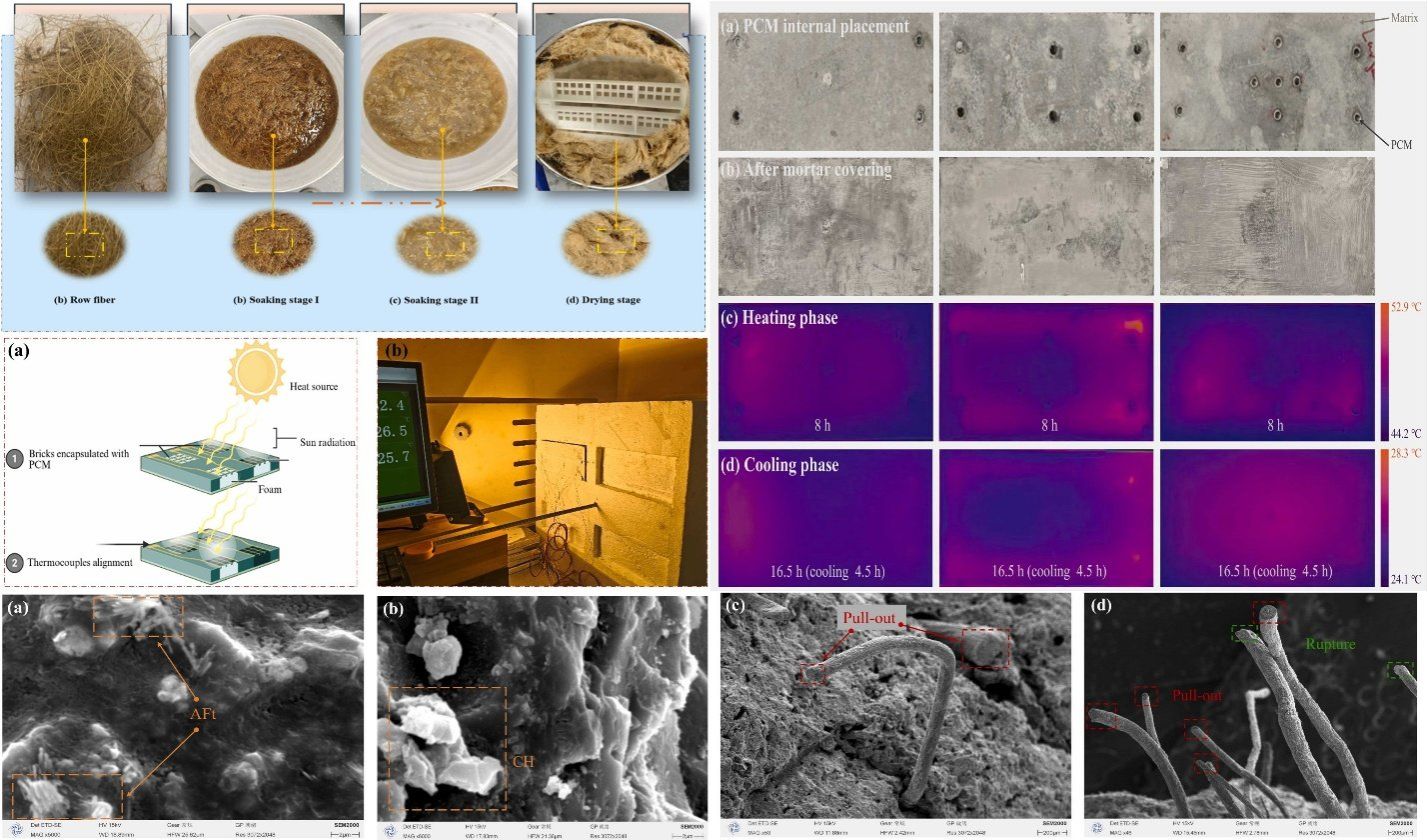
Fig.1. Novel thermal energy storage compressed brick.



